
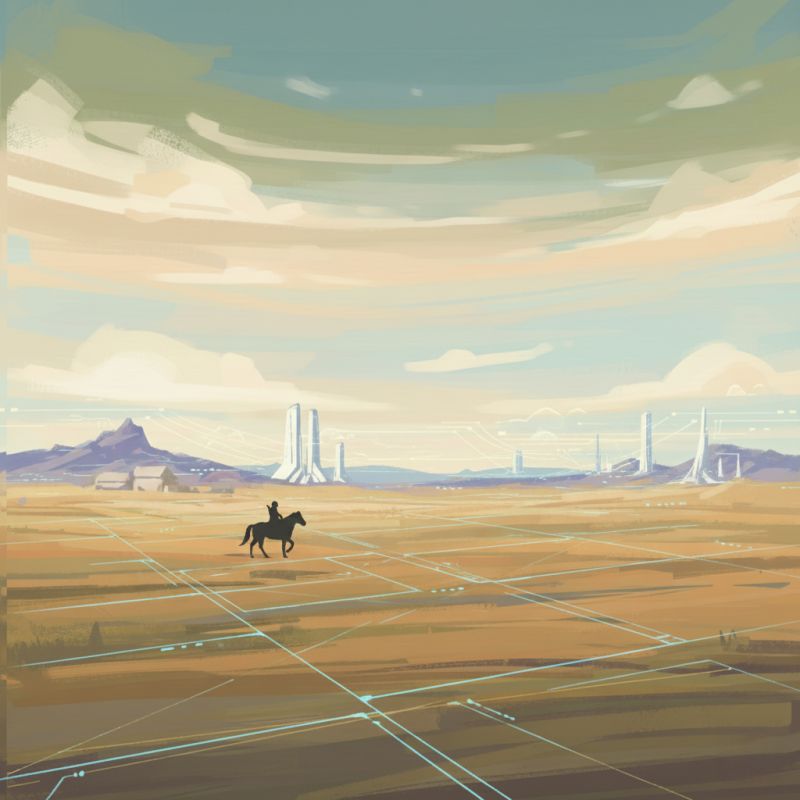
Year of the Frontier Firm
Every year for the last decade, someone has declared it “the year of AI.” Most of those years, nothing changed. The models got better, the demos got flashier, and the way people actually worked stayed roughly the same. 2026 feels different, and I don’t say that because the technology is different. I say it because the conversation finally is.
At Microsoft Ignite last year, Microsoft introduced the Frontier Firm — a framework for how enterprises should think about AI not as a tool but as an operating model. Not “add AI to what you do” but “redesign what you do because AI changes what’s possible.” That distinction matters more than it sounds like it should.
I’ve spent 25 years working across every mode of this industry. Independent. Small teams. Growing companies. Global enterprises. The one thing that’s consistent across all of them is waste. Not the dramatic kind — nobody’s lighting money on fire. The quiet kind. Duplication. Friction. Steps that exist because someone created a process in 2014 and nobody questioned it. Meetings that happen because the information isn’t anywhere else. Reports that get built because someone doesn’t trust the dashboard.
That’s what Frontier Firm thinking is actually about, when you strip away the branding. It’s about looking at how work happens and asking a simple question: does it have to happen this way? Usually the answer is no. Usually the answer has been no for years, but nobody had a forcing function to redesign it. AI is that forcing function.
My focus this year at iSoftStone is straightforward. First, transform how we work internally — be customer zero for the things we’re telling clients to do. That’s the credibility check. If you can’t run the playbook on yourself, you don’t have a playbook. You have a pitch deck. Second, take those learnings to clients. Not as theory. As patterns that worked, patterns that didn’t, and the specific decisions that made the difference.
The trap most companies fall into is treating AI adoption as a technology deployment. Buy the license, run the pilot, measure the ROI. That path leads to a graveyard of unused Copilot seats and a PowerPoint about “learnings.” The companies that will actually transform are the ones willing to redesign the work itself — the processes, the decision rights, the feedback loops. The technology is the easy part. It’s always been the easy part.
I’m genuinely optimistic about this year. Not in the breathless, keynote-stage way. In the way where you can see the pieces coming together and you know the work ahead is hard but the direction is right. The frontier isn’t a place you arrive at. It’s a way of operating. And most companies haven’t started yet.
That’s what makes it interesting.
